US Air Base in Saudi Arabia
Explore the US air base in Saudi Arabia, Prince Sultan Air Base, Saudi sovereignty, joint defense cooperation, and the Kingdom’s regional security policy.
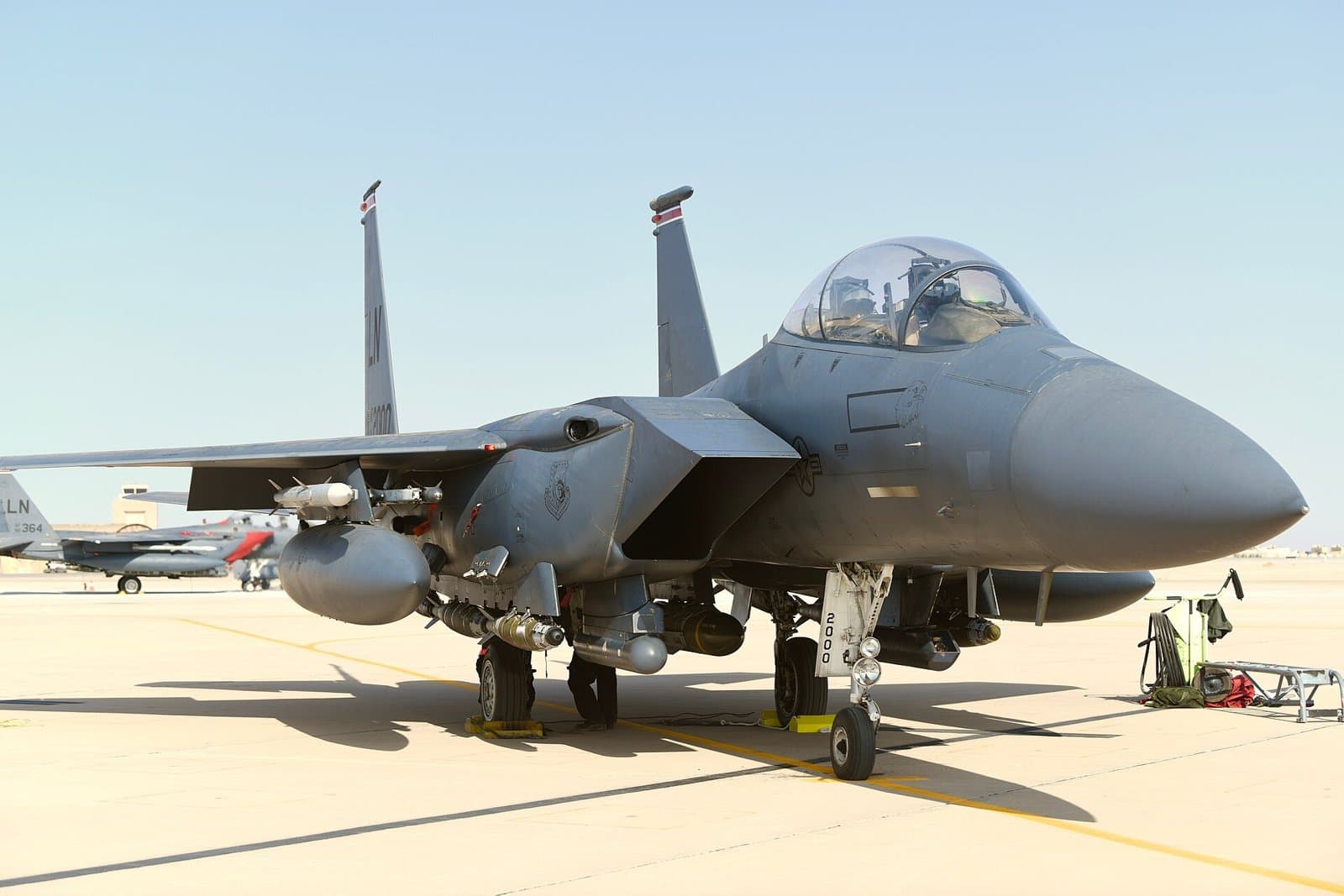
The military relationship between Saudi Arabia and the United States represents a significant pillar of their strategic partnership. Built on decades of cooperation and mutual interests, this relationship focuses on strengthening defense capabilities, protecting national security, and supporting regional stability.
Although the term “US Air Base in Saudi Arabia” is frequently used in international media and online discussions, understanding the nature of the American military presence requires distinguishing between hosting foreign military personnel under defense cooperation arrangements and granting foreign forces independent control over military installations.
Prince Sultan Air Base and Saudi Sovereignty
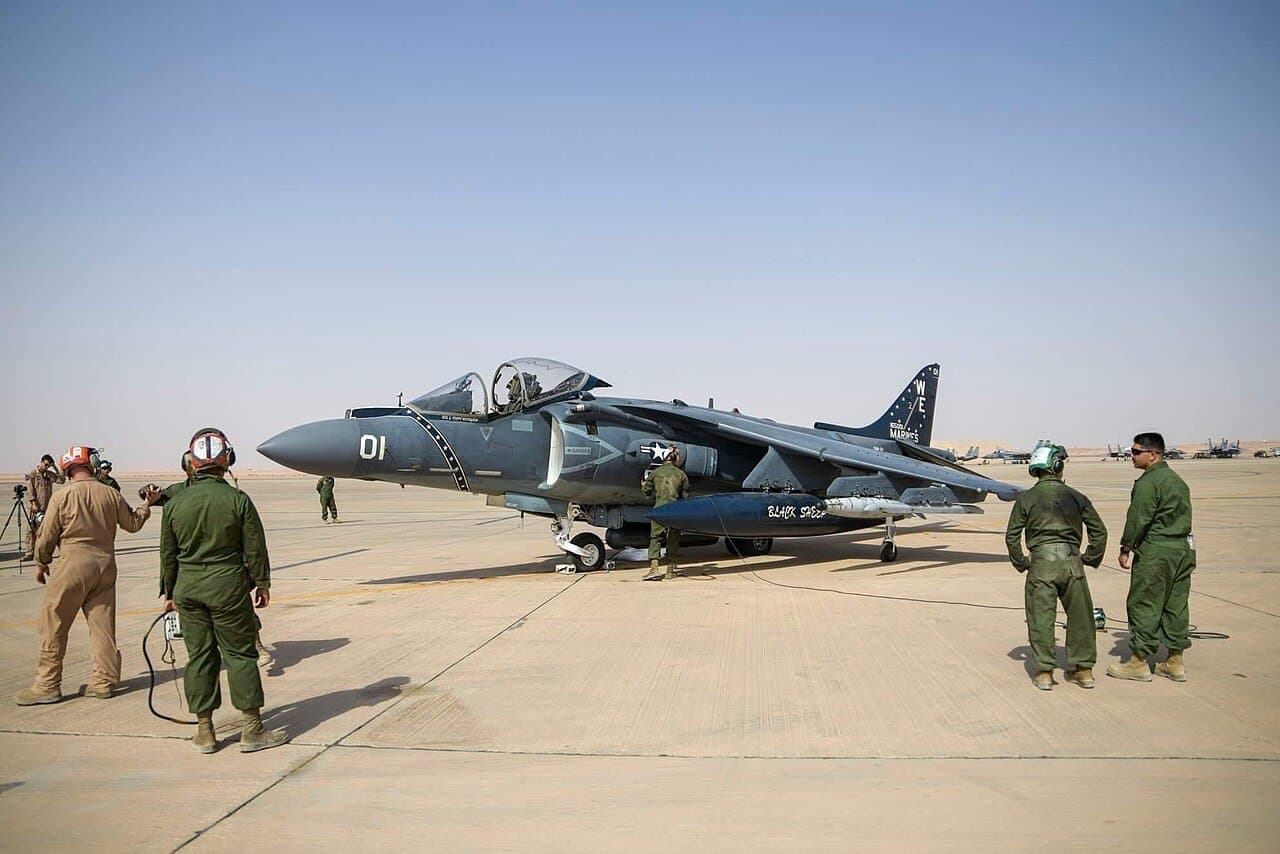
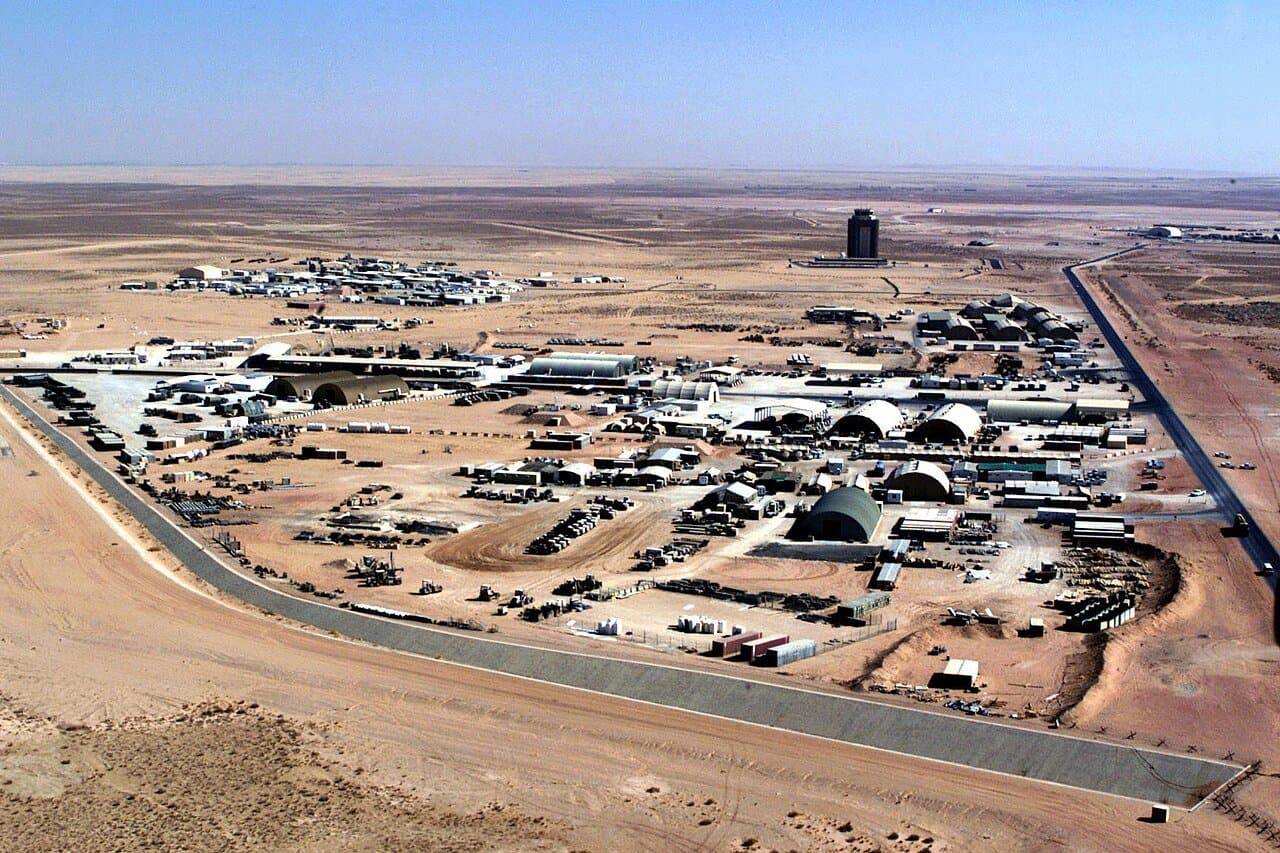
Prince Sultan Air Base is a Saudi military installation that hosts American military personnel as part of the defense partnership between Riyadh and Washington.
The presence of American forces does not constitute a transfer of Saudi sovereignty to the United States. Furthermore, it does not automatically grant American forces unrestricted authorization to launch military operations against other countries in the region.
The stated objectives of this military cooperation include strengthening defense capabilities, improving military readiness, developing air defense systems, and addressing shared security challenges.
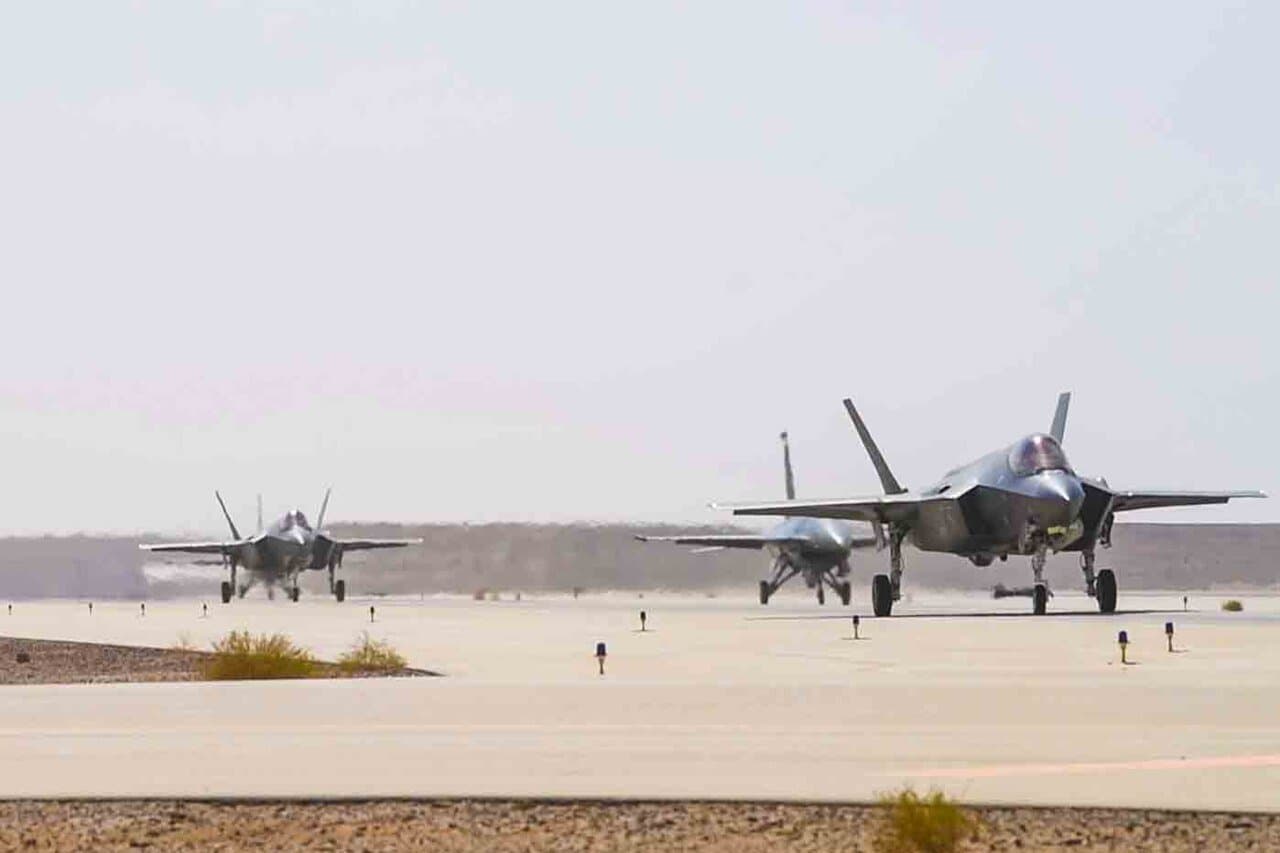
Objectives of the US Military Presence in Saudi Arabia
The American military presence in Saudi Arabia is associated with several strategic and defensive objectives, including:
- Strengthening air and missile defense capabilities.
- Protecting critical infrastructure and strategic facilities.
- Developing Saudi military capabilities.
- Exchanging military expertise and defense technologies.
- Conducting joint military exercises and training programs.
- Supporting security and stability in the Arabian Gulf.
- Enhancing military deterrence against external threats.
- Protecting shared strategic and economic interests.
Therefore, the presence of American military personnel within Saudi Arabia should not automatically be interpreted as Saudi participation in US military operations beyond the Kingdom’s borders.
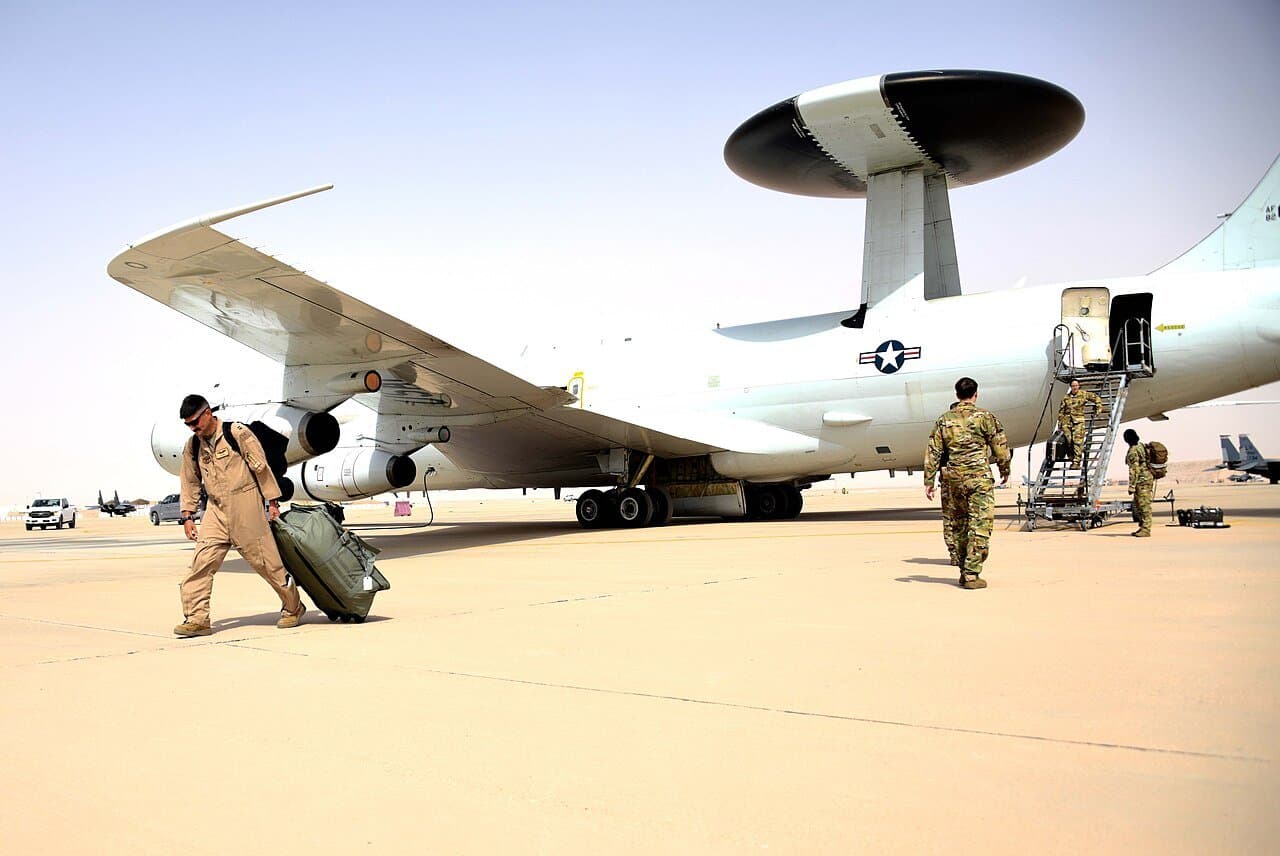
Saudi Arabia’s Position on Offensive Military Operations
Saudi Arabia has publicly expressed its opposition to allowing its territory and airspace to be used for military attacks against Iran.
The Kingdom’s declared position emphasizes respect for national sovereignty, regional security, diplomatic engagement, and the prevention of military escalation.
Moreover, Saudi Arabia has rejected allegations that its territory has been made available for offensive military operations against Iran.
While competing claims have emerged amid regional tensions, it is important to distinguish between official Saudi policy, allegations made by other governments, and independently verified military activities.
The existence of a US military presence in Saudi Arabia does not, by itself, establish that Saudi territory is being used as a launching point for offensive operations.
Saudi Arabia Maintains Its Independent Military Decision-Making
National sovereignty remains a fundamental principle in Saudi Arabia’s international military partnerships.
Although Saudi Arabia and the United States maintain extensive defense cooperation, this partnership does not necessarily mean that both countries share identical positions on every regional or international conflict.
Saudi Arabia retains its sovereign right to determine its foreign and defense policies according to its national interests, security requirements, and international obligations.
Furthermore, hosting American military personnel does not eliminate the Kingdom’s authority over its territory or its independent political and military decision-making.
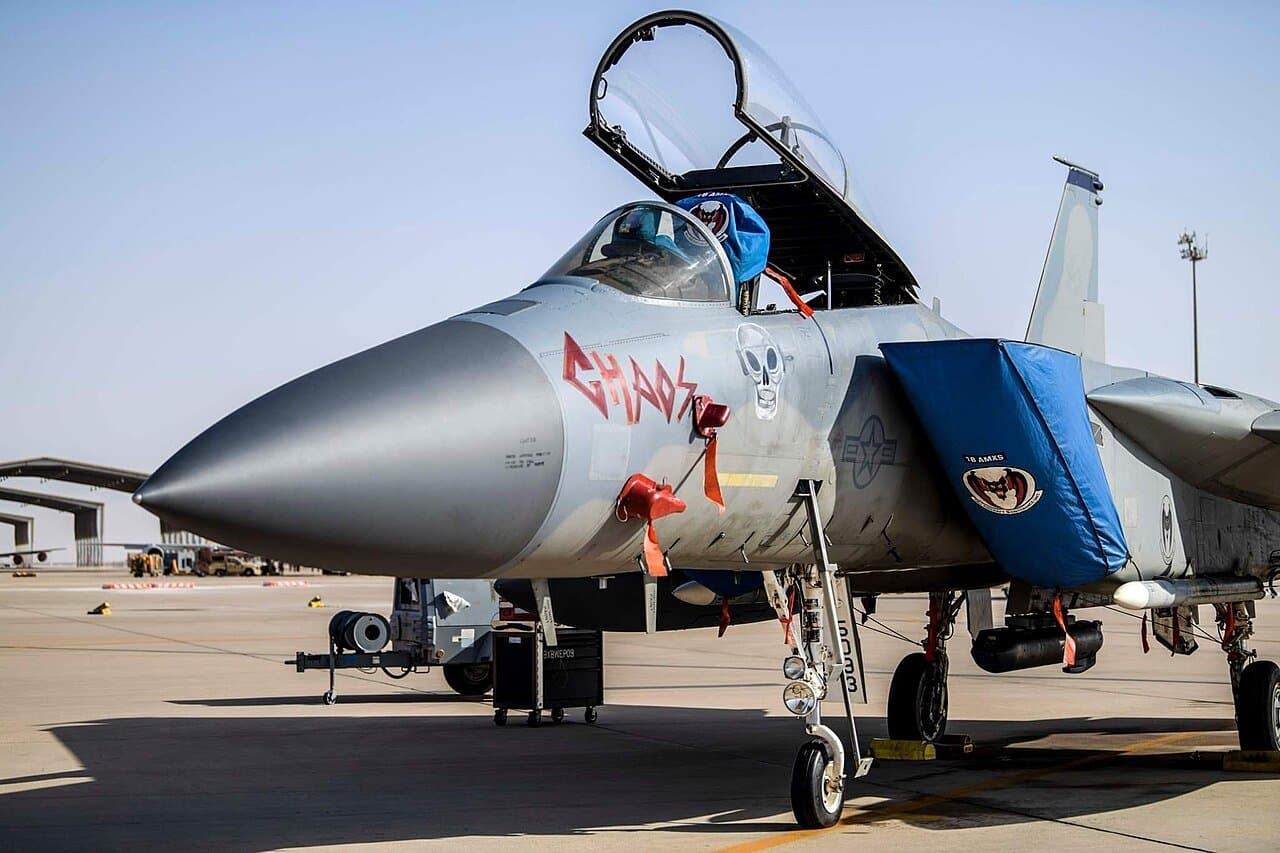
US Air Base in Saudi Arabia: A Framework for Defense Cooperation
The term US Air Base in Saudi Arabia should be understood within the broader framework of bilateral defense cooperation rather than as an independently sovereign American military installation.
Prince Sultan Air Base remains a Saudi military facility, while the American presence operates within the framework of military cooperation between the two countries.
This partnership provides opportunities to strengthen military readiness, improve defensive capabilities, exchange technical expertise, and address shared security concerns.
However, defense cooperation should not be confused with unrestricted authorization to conduct offensive military operations against neighboring countries.
Saudi Arabia’s Commitment to Regional Stability
Saudi Arabia’s declared foreign policy emphasizes diplomatic solutions, dialogue, regional stability, and the avoidance of unnecessary military escalation.
At the same time, the Kingdom continues to develop its defense capabilities and international military partnerships to protect its territory, citizens, economic interests, and critical infrastructure.
Within this context, Saudi-US military cooperation can serve as a mechanism for strengthening deterrence and defensive preparedness while supporting broader regional security objectives.
Conclusion
The term US Air Base in Saudi Arabia does not fully reflect the complex nature of the Saudi-American military relationship.
Prince Sultan Air Base is a Saudi military installation that hosts American forces within a broader framework of strategic defense cooperation.
According to Saudi Arabia’s declared position, this partnership aims to strengthen national security, enhance defensive capabilities, protect strategic interests, and support regional stability.
Ultimately, hosting American military forces should not be interpreted as surrendering Saudi sovereignty, granting unrestricted military authority, or automatically participating in offensive operations against other countries in the region.
Photos: U.S. Department of Defense via Wikimedia Commons (public domain).
Related news

UK imposes sanctions on the Houthis and four of their senior leaders
The UK government sanctioned the Houthi group and four senior leaders over attacks on shipping and on civilian infrastructure in Saudi Arabia.
Read more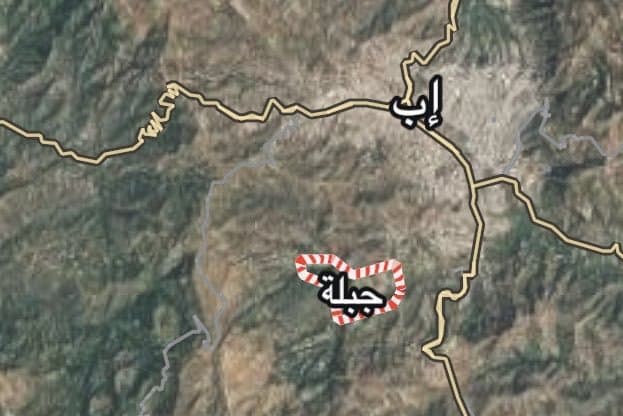
Air strikes hit Shaban area in Jibla district, Ibb
Journalist Malik Al-Rougi reported air strikes on the Shaban area in Jibla district of Yemen's Ibb governorate.
Read more
Yemeni forces carry out 647 strikes and neutralize 122 Houthis
Yemen's armed forces announced 647 strikes against the Houthi militia under Operation "Dawn of Yemen", with Coalition air support, neutralizing 122 fighters and destroying 56 vehicles.
Read more